
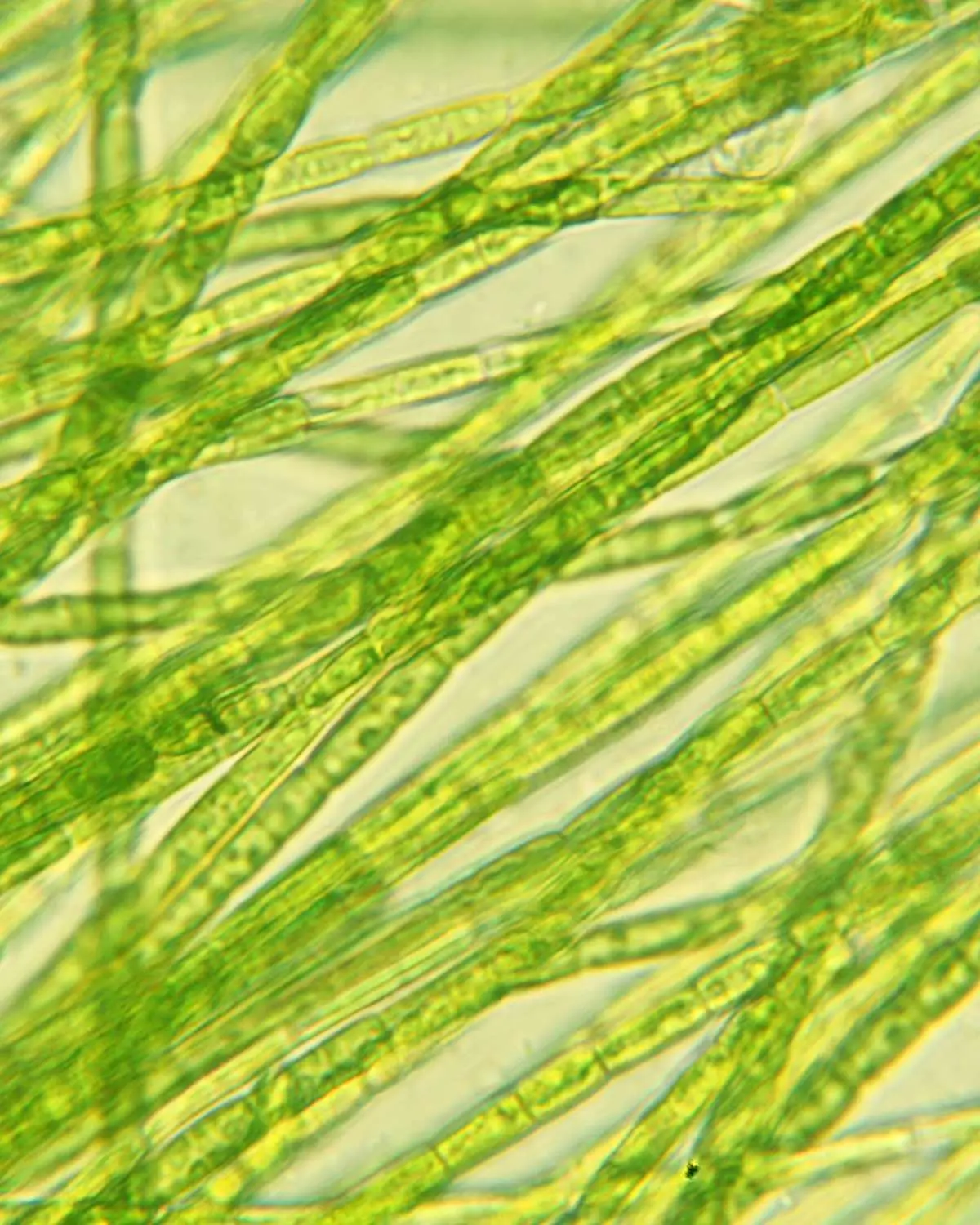
Algae peeling is a facial exfoliation done with seaweed extracts, rich in minerals, antioxidants, and polysaccharides such as... fucoidanoIt removes dead cells, deeply hydrates, and soothes the skin. It's a gentle option, suitable even for sensitive or reactive skin, but it doesn't replace a professional skin assessment.
If you're looking for an exfoliation that won't leave your skin red or sensitive for days, seaweed peeling is one of the gentlest options in facial aesthetics. Below I explain what this treatment is, what science says about the active ingredients in seaweed, and how it can fit into a protocol designed for your skin.
What is algae peeling and how does it work on the skin?
Seaweed peeling is applied in a treatment room as a mask or concentrated gel made from micronized seaweed. Upon contact with the skin, the active ingredients work in two ways: a gentle exfoliating action, which helps to loosen dead cells from the outermost layer, and a nourishing action, which provides minerals and antioxidants simultaneously.
Unlike a classic chemical peel, it doesn't rely on an acid "burning" the surface layer. The effect is more physical and enzymatic, which explains why it's usually well-tolerated even on skin that reacts poorly to other exfoliants.
Which compounds in seaweed make the difference?
Most algae peel formulations use extracts of brown algae, such as Vesicular fly, whose chemical profile was studied because it contains fucoxantina and phloretanins with anti-aging potential[1]This and other brown algae extracts have been shown to reduce oxidative stress in in vitro and in vivo studies, with greater antioxidant capacity than green or red algae.[2].
Clinical studies published in dermatology journals associate macroalgae extracts with a reduction in erythema (redness) and transepidermal water loss after UV exposure, results that classify them as soothing and protective agents for the skin.[3]The fucoidano Alginate, two other polysaccharides typical of brown algae, has been associated with stimulating the production of type I collagen, which translates into firmer and more elastic skin over the course of the sessions.
What are the benefits of algae peeling?
- Gentle exfoliation: Removes dead skin cells without the burning sensation typical of some acids, suitable for virtually all skin types.
- Deep hydration: The algae retain moisture and leave the skin softer and more supple after the session.
- Antioxidant action: The compounds in algae help neutralize free radicals, one of the factors that accelerate skin aging.
- Calming effect: Anti-inflammatory properties that help with skin that is red, irritated, or prone to acne.
- Improved texture and tone: Continued use, within a plan, can even out the appearance of the skin.
- Ingredients of natural origin: An alternative for those seeking treatments with marine-based active ingredients instead of entirely synthetic formulas.
None of these benefits are immediate or permanent. As with any facial aesthetic treatment, the result depends on your skin type and how the peel integrates with the rest of your skincare routine.
For what skin types is algae peeling suitable?
In general, it's a good option for dehydrated skin, skin showing early signs of fatigue or uneven texture, and for those with reactive skin who don't tolerate harsher exfoliants well.
Is it safe for sensitive skin or skin with rosacea?
It is usually well tolerated as it is a gentle exfoliation, but "sensitive" doesn't mean the same for all skin types. During a consultation, Lourdes assesses your phototype, the state of your skin barrier, and any active conditions (rosacea, dermatitis, known allergies to algae or iodine) before deciding if this is the right treatment at that moment, or if it makes more sense to combine it with another active ingredient.
Algae peel vs. classic chemical peel: which to choose?
| Criterion | Algae Peeling | Classic Chemical Peel |
|---|---|---|
| Origin of the main asset | Seaweed extracts (e.g. Vesicular fly) | Synthetic or plant-derived acids (glycolic, salicylic, etc.) |
| Type of exfoliation | Physical and enzymatic, mild to medium | Chemistry, adjustable by percentage and pH. |
| Feelings during the session | Soothing, without significant burning sensation. | It may burn or tingle, depending on the acid and its concentration. |
| Expected downtime | Minimal, with no visible flaking. | Possible redness or peeling in the following days. |
| Suitable for sensitive/reactive skin. | Generally yes, after evaluation. | It requires a more cautious protocol. |
| Frequency and final choice | Defined during the assessment, within the personalized protocol. There is no fixed number of sessions nor a closed package. | |
How does algae peeling fit into my work method?
As a dermatocosmetic dermatologist, I don't offer algae peeling as an isolated service or as a closed package of sessions. I first assess your skin: hydration, sensitivity, and goals. Then, in that same consultation, I decide whether algae peeling is used alone or combined with other techniques (for example, deep hydration or calming active ingredients) within your protocol.
If you want to see if an algae peel is right for your skin, the first step is an evaluation.
Schedule a free evaluationFree consultation if you book a service on the same day; otherwise, assessment at €20. You can also write via whatsapp.
What precautions should be taken before and after an algae peel?
Before the session: Avoid harsh exfoliants or acids in the 48 hours prior and do not expose your skin to intense sunlight on that same day.
After the session: Use SPF daily to keep your skin hydrated and avoid intense exfoliation for a few days.
These are general guidelines. During the consultation, I will tailor them to the actual condition of your skin at that time.
Frequently asked questions about algae peeling
Does seaweed peeling hurt or sting?
No. It's one of the gentlest exfoliation treatments available: the sensation is one of freshness and slight relaxation, without the burning associated with some chemical peels. If you have very reactive skin, this will be assessed before the session.
Can I put on makeup right after the session?
It's recommended to let your skin rest for a few hours before applying makeup, to avoid clogging pores immediately after exfoliation. During a consultation, Lourdes can recommend the exact time depending on your skin type.
How many algae peel sessions do I need?
There is no fixed number. It depends on the objective (maintenance, targeted hydration, or part of an anti-aging plan) and is determined during the assessment, within a protocol designed for your skin, not a fixed package.
Is algae peeling suitable for acne-prone skin?
It can help acne-prone skin thanks to its calming properties, but it doesn't replace a specific treatment plan for active acne. Lourdes will assess your skin condition before deciding if this is the right treatment at this time.
What is the difference between an algae peel and a regular at-home exfoliation?
At-home exfoliation removes dead skin cells in a targeted way. An algae peel performed in a professional setting combines concentrated active ingredients (minerals, antioxidants, polysaccharides like fucoidan) with a professional assessment of your skin before and after, which changes the outcome and the safety of the process.
Scientific sources cited in this article
- Revealing the Potential of Vesicular fly Linnaeus for Cosmetic Purposes, published in PMC / National Library of Medicine.
- Antioxidant Power of Brown Algae: Ascophyllum nodosum and Vesicular fly Extracts Mitigate Oxidative Stress In Vitro and In Vivo, published in PMC / National Library of Medicine.
- Clinical Studies of the Safety and Efficacy of Macroalgae Extracts in Cosmeceuticals, publicado na Journal of Clinical and Aesthetic Dermatology.
If you want to continue caring for your skin with a solid foundation, also check out... facial cleansing, the first step in virtually every plan I design, or understand how it works Lourdes Experience, my 100% personalized protocol.
