
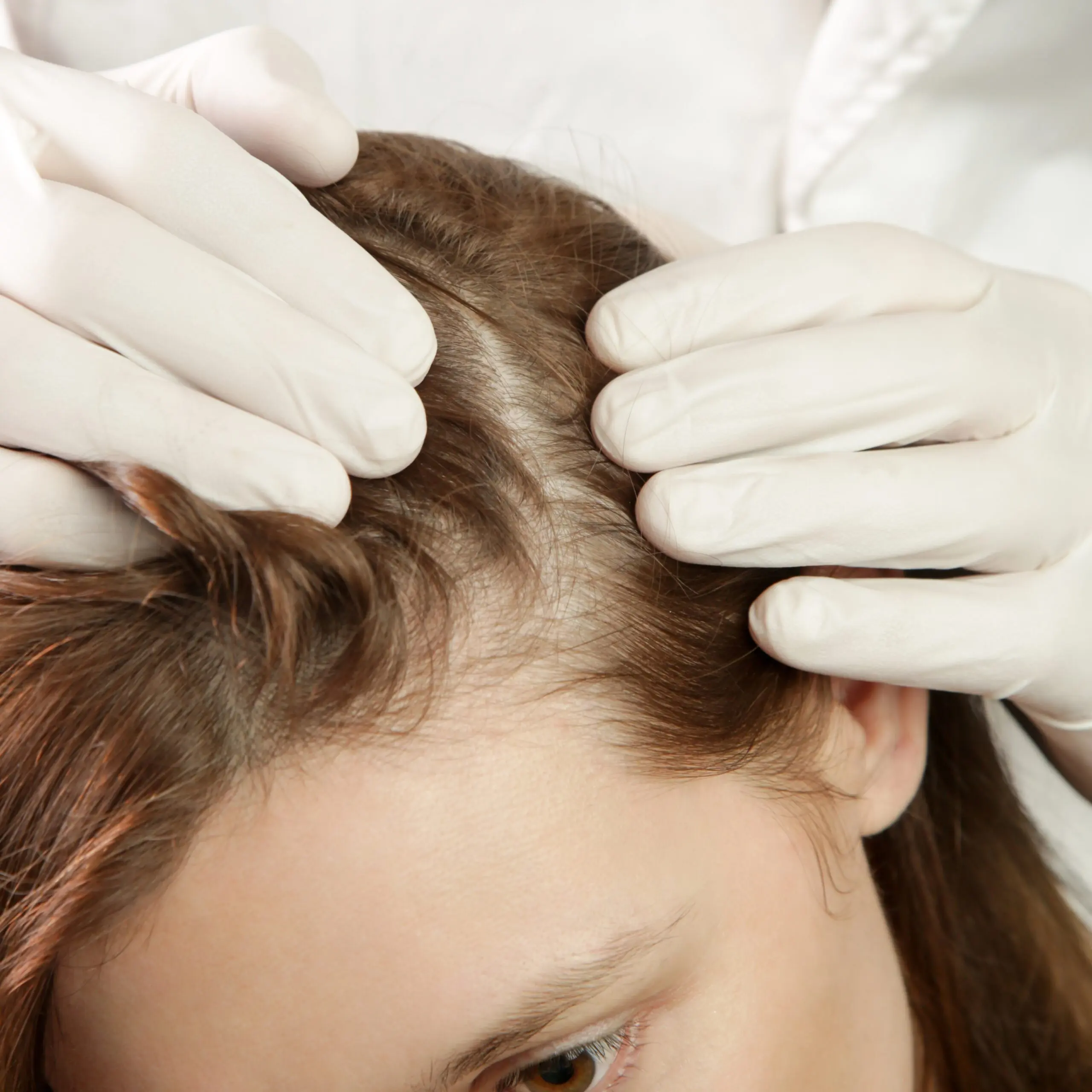
Quick summary: Hair loss can have genetic, hormonal, emotional, or nutritional causes, and each requires a different approach. At Lourdes Estética, in Alcabideche, I assess the scalp individually and combine... microneedling, hair mesotherapy and massage to stimulate the follicles and gradually and safely stop hair loss.
What is alopecia and why does hair fall out?
"Alopecia" is the clinical term for any hair loss above the normal level—it's not a single disease, but a symptom with several possible causes. Losing between 50 and 100 strands a day is part of the natural hair cycle; the problem arises when this hair loss becomes visible, persistent, or disproportionate.
Is hair loss always androgenetic alopecia?
No, but it's the most common cause. In androgenetic alopecia (male or female pattern baldness), a genetic predisposition makes the follicles more sensitive to the action of dihydrotestosterone (DHT), a substance derived from testosterone, progressively shortens the hair growth phase (anagen phase), leading to miniaturization of the hair strands: they become thinner, shorter, and eventually stop growing.
Do hormones influence hair loss?
Yes. Hormonal changes associated with pregnancy, postpartum, menopause, or conditions such as polycystic ovary syndrome (PCOS) can trigger or worsen hair loss, even in people with no relevant genetic history.
Can stress really cause more hair loss?
Yes, and it's more common than you think. An episode of intense physical or emotional stress can prematurely push a large number of follicles into the resting (telogen) phase, in a process called Telogen effluviumHair loss usually only appears two to three months after the event that triggered it, making the cause difficult to identify without an evaluation.
What nutritional deficiencies weaken hair?
Ferritin (iron reserve), zinc, and vitamin D are among the deficiencies most associated with hair weakening. Dermatological studies indicate that ferritin levels below 30 ng/mL are associated with increased hair loss, and that zinc is essential for the rapid cell division that occurs in the follicle matrix. Confirming these values requires clinical analysis, not guesswork.
How do I know if my hair loss is a cause for concern?
Some signs deserve attention: a noticeably thicker patch of hair, clumps of hair visible on the pillow or in the shower, or areas of the scalp that are more visible than they were six months ago. None of these signs replace a professional evaluation, but they are all good reasons to schedule one.
Clinical note: This article is for informational purposes only and does not replace a consultation with a dermatologist or a personalized hair assessment. Pharmacological treatments, such as minoxidil topic or finasterideThese services require a medical diagnosis and prescription. They are not part of the services provided in my office.
What treatments are available to stop hair loss?
In my practice, the starting point is always an individual assessment to understand which factors are at play in your case. From there, I combine techniques that act directly on the scalp and follicles.
How does microneedling with specific cocktails work?
THE microneedling It creates microchannels in the scalp that improve the absorption of subsequently applied active ingredients and stimulate follicle regeneration. A 2024 meta-analysis published in Journal of Cosmetic DermatologyA study with nearly 700 participants in 13 clinical trials confirmed improvements in hair density and diameter with a good safety profile.
What does hair mesotherapy consist of?
A hair mesotherapy It consists of microinjections of vitamins, minerals, and other active ingredients directly into the scalp, nourishing the follicle more directly than a topical product can.
Does scalp massage really make a difference?
Yes, mainly as a complement. Regular massage improves local blood circulation, which helps deliver more oxygen and nutrients to the follicles: a simple boost to other treatments.
How long does it take to see results?
The hair growth cycle is slow: most dermatological literature indicates a minimum of three to six months before visible results are seen, regardless of the approach chosen. The number of sessions and the interval between them are determined after the initial assessment, as they depend on the identified cause and the response of each individual scalp.
| Cause | Typical sign | What can help? |
|---|---|---|
| Androgenetic alopecia (genetic) | Progressive thinning, localized pattern | Hair assessment + microneedling with cocktails |
| Hormonal changes | Hair loss associated with pregnancy, postpartum, menopause, or PCOS. | Individual assessment + hair mesotherapy |
| Stress / telogen effluvium | Diffuse hair loss, 2-3 months after the stressful event. | Scalp massage + hair mesotherapy |
| Nutritional deficiencies (iron, zinc, vitamin D) | Thin, brittle hair, hair loss associated with abnormal blood tests. | Prior clinical evaluation + hair mesotherapy |
Frequently asked questions about hair loss and alopecia.
What is the difference between normal hair loss and alopecia?
Normal hair loss is around 50 to 100 strands per day and is part of the hair cycle. Alopecia is diagnosed when this hair loss is persistent, visible to the naked eye, or accompanied by progressive thinning. In this case, it's worth seeking an evaluation.
Is there a cure for androgenetic alopecia?
There is no definitive "cure," but there are ways to slow the progression and improve hair density, especially when intervention begins early. The longer a follicle remains miniaturized, the harder it is to recover it.
Can stress really cause hair loss?
Yes. An episode of intense physical or emotional stress can trigger telogen effluvium, with hair loss typically manifesting two to three months later. Therefore, the cause is not always obvious at first glance.
Do I need minoxidil or finasteride, or are in-office treatments sufficient?
It depends on the diagnosis, which only a doctor can make. My work in the office is complementary: through microneedling, hair mesotherapy, and massage, I work on scalp health and follicle stimulation. When pharmacological treatment is indicated, it is always referred for medical evaluation.
How long does it take to see results with microneedling or hair mesotherapy?
Generally, the treatment lasts between three and six months, with regular sessions whose frequency is determined after the initial assessment, because each scalp responds at a different pace.
Let's assess your scalp?
Marque uma avaliação capilar no meu gabinete em Estoril. A consulta é gratuita se reservar um tratamento no mesmo dia; caso contrário, tem o valor de 20€.
Household: R. Carlos Anjos 199, 2645-175, Estoril, Portugal
Tags: marcar agora
